Editorial
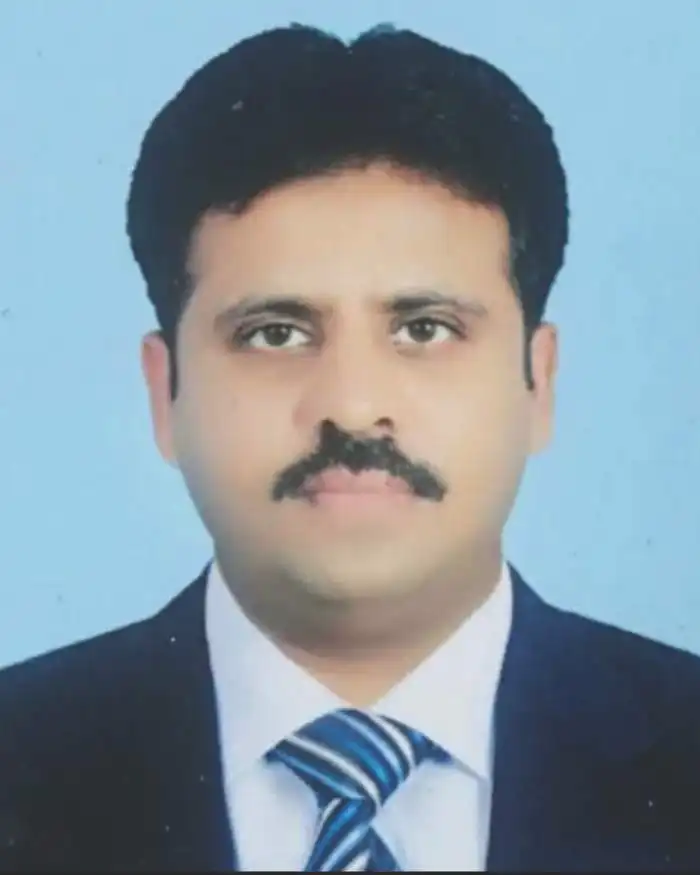
Dr. Basharat Elahi Jamil
The United States and Israel made a grave mistake on February 28, 2026, by invading Iran. In reality, this attack appears to be a continuation and extension of Israel’s aspiration for a “Greater Israel.” However, Iran has so far significantly undermined Israel’s ambitions of dominance and regional expansion. The conflict seems to have been initiated on the assumption that Iran would be preoccupied with its internal resources following the death of Ali Khamenei. Yet this miscalculation is proving costly, and even after a month of fighting, Iran shows no intention of ending the conflict without reaching what it considers a meaningful conclusion.
In the aftermath of the attack, the Iranian nation has largely united, setting aside internal differences and supporting its government in resisting external pressure. This has been seen by many as a strong display of national resolve. Iran’s defence posture and strategic response have also drawn global attention. Additionally, its position appears to be strengthened by the backing of China and Russia. The unfolding situation has made international alignments more visible. Meanwhile, reports suggest that the United States is incurring significant financial costs, and Israel—particularly Tel Aviv—faces increasing strain. Many civilians are living under difficult conditions, with some seeking safety in shelters or leaving affected areas.
Tragically, several Muslim-majority, particularly Gulf, countries are supporting the United States and Israel, even offering their territories for strategic use against Iran. At the same time, Iran’s actions in the region are placing pressure on neighbouring Gulf states, influencing shifts in their policies. Some European countries, including Germany, Spain, and Switzerland, appear more cautious in their support. Within the United States, President Trump faces growing criticism, with protests such as the “NO KING” demonstrations reflecting concerns over his administration’s approach. The broader global climate is increasingly tense, with fears that continued escalation could lead to a wider conflict if current challenges remain unaddressed.
Nearly 3 million people have reportedly been displaced, and around 1,800 civilians have died in Iran as a result of this conflict, contributing to ongoing tensions in the Strait of Hormuz. Israel is also facing serious humanitarian and security challenges. Groups such as Hizbullah and the Houthis are reportedly involved in the conflict on Iran’s side. Iran has also targeted US installations and commercial hubs in Gulf countries. On a global scale, concerns over an emerging oil crisis are growing. Internationally, oil crises are underway. The UN must take significant action to ease tensions and curb Israel’s aggressive activities with the peaceful input of Iran. Resolving this conflict and establishing lasting peace now remains an urgent priority.